
Robotic Hernia Surgery
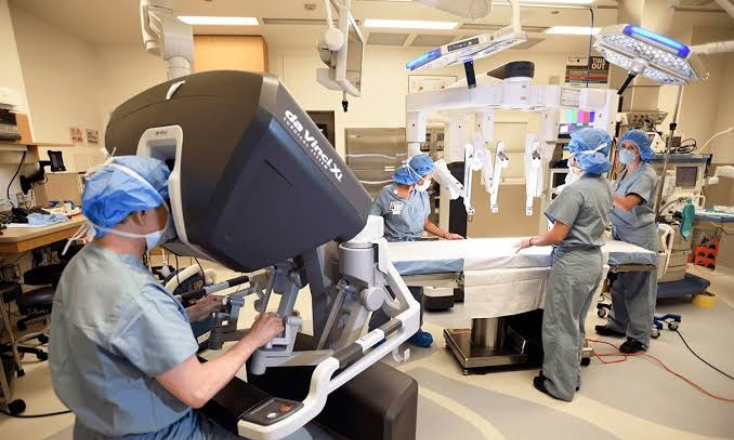
Robotic Hernia Surgery
Robotic hernia surgery is a minimally invasive surgical technique used to repair hernias, which occur when an internal organ or tissue pushes through a weakened area of muscle or connective tissue. Hernias commonly develop in the groin, abdomen, or around previous surgical incisions and may cause discomfort, swelling, or pain.
During robotic-assisted hernia repair, the surgeon operates specialized instruments and a high-definition camera through small incisions. The robotic system provides enhanced visualization and allows controlled instrument movements, helping the surgeon repair the weakened area and, when appropriate, reinforce it with surgical mesh.
Compared with traditional open surgery, minimally invasive robotic techniques may offer benefits such as smaller incisions, reduced postoperative discomfort, less visible scarring, and a potentially faster recovery for suitable patients. However, outcomes vary depending on the type of hernia, its complexity, and the patient's overall health.
Robotic hernia surgery may be considered for inguinal, ventral, incisional, and selected other hernias. A thorough surgical evaluation helps determine the most appropriate repair technique for each patient.